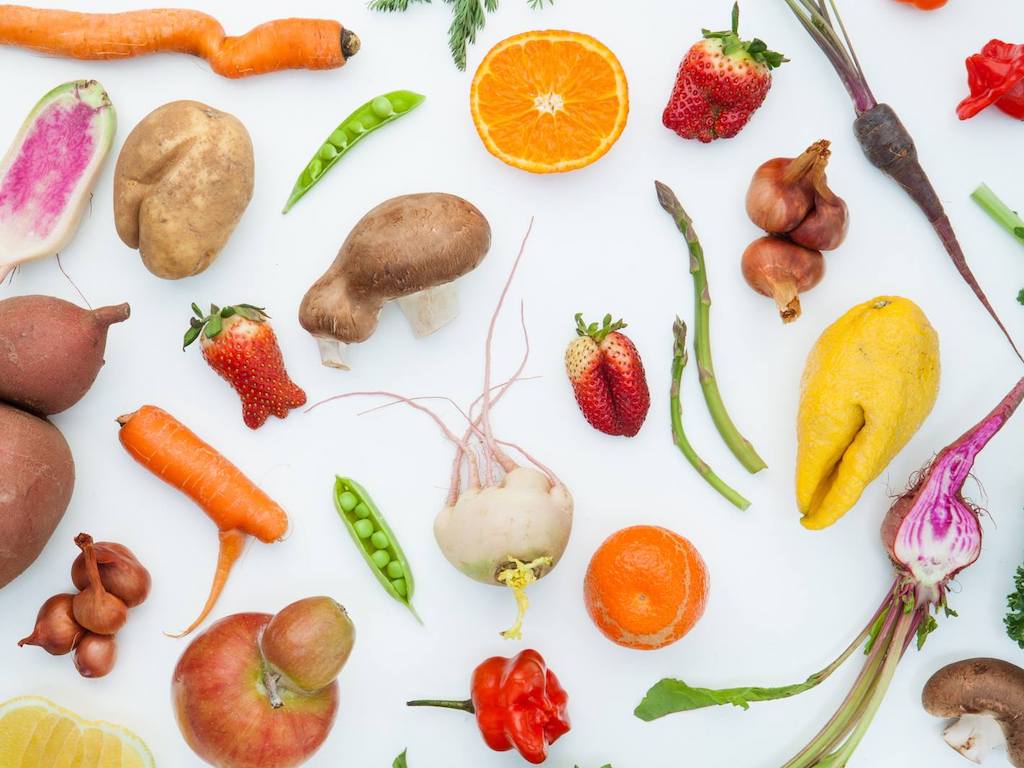
Imperfect but perfectly nutritious and delicious !
Quick Facts
In the United States, food waste is estimated at between 30-40 percent of the food supply.
USDA Food Waste
21 percent of municipal waste is food we throw away. We send more food to landfills and incinerators than any other material.
Food Forward.org
Growing, processing, transporting, and disposing uneaten food has an annual estimated cost of $218 billion, costing a household of four an average of $1,800 annually.
NRDC Farm Fork Landfill
This is not meant to be a guilt trip!
Having a conversation about food waste and becoming more aware of the issue can help us create a more bountiful harvest for all. Understanding that grocery stores and food producers are altering the food supply chain to meet our often unrealistic expectations of food cosmetics can help alleviate food waste.
There are many factors that contribute to food waste in the supply chain and customer expectations are just one. We all want to buy good quality food and it’s normal to want top reach for the best looking veggie or fruit you can find. As we fill our baskets, however, it’s important to be mindful that the blemish or odd shape of the ones you left behind are just as healthy and nutritious! Learn more by clicking on the quick fact links.
Bite off more than you can chew?
COMPOST It ! You can start a compost pile in your backyard or find a company that will do it for you. Reduce landfill waste and feed the soil!
Check out Renuable Compost company. LiveRenuable.com
So what can you do ?

Visit a local farmers market or join a CSA (Community Supported Agriculture).
Buying locally reduces transportation which contributes to food spoilage. While you’re there ask for imperfect produce.
Ask your local grocery store to start an “Imperfect Produce” shelf. Reduced price and waste.
Check out Hungry Harvest!
They deliver imperfect produce and groceries to your door. Hungry Harvest